
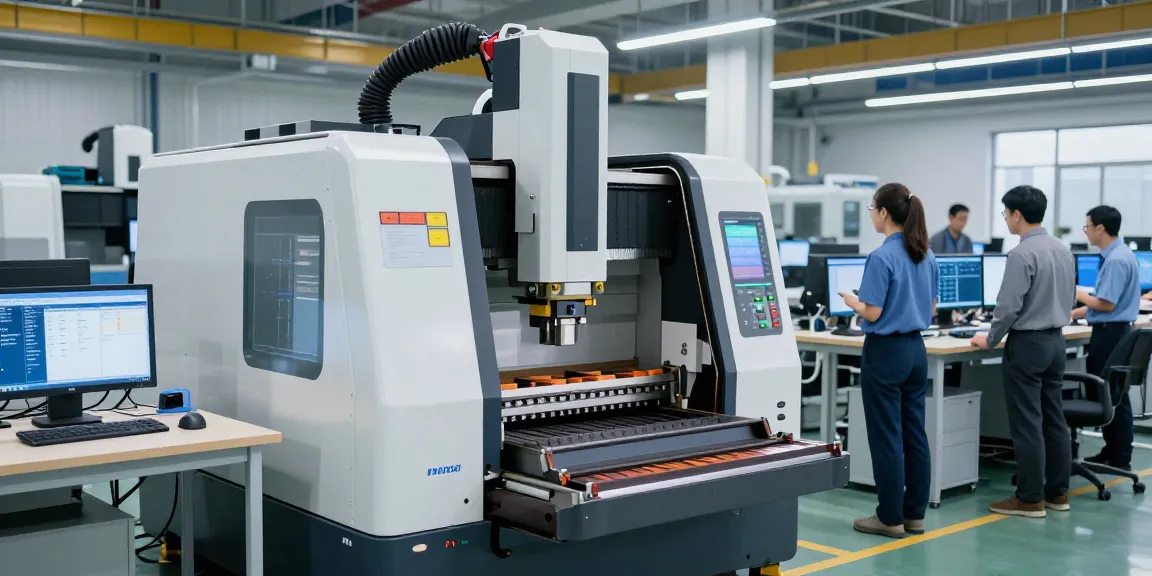
Understanding CNC Press Brake Technology
In the world of modern manufacturing, the CNC press brake is an essential tool used for bending and shaping metal components with precision. As industries evolve and adopt advanced technologies, CNC (Computer Numerical Control) press brakes continue to play a crucial role in enhancing the efficiency and accuracy of metal fabrication processes. This article delves into the intricacies of CNC press brakes, highlighting their numerous benefits, key features, and selecting the right one for your needs. When exploring options, best cnc press brake factory provides comprehensive insights into available models and configurations.
The Basics of CNC Press Brakes
CNC press brakes are machines that utilize computerized controls to precisely bend and shape metal materials. Unlike traditional press brakes which require manual operation, CNC machines enhance accuracy and allow for complex bending processes without the need for constant manual input. The core components of a CNC press brake include:
- Electro-hydraulic system: This system drives the bending process using hydraulic pressure, allowing for significant force application with high precision.
- CNC controller: This unit controls various axes and ensures that the bending operations are carried out according to the programmed specifications. Controllers like the ESA S630 are popular for their functionality.
- Tooling: Customizable tools can be fitted onto the press brake for various types of bends, crucial for unique manufacturing specifications.
Benefits of Hydraulic CNC Systems
The hydraulic CNC press brake systems offer several advantages over their mechanical counterparts. The most notable benefits include:
- Higher Precision: Hydraulic systems provide better feedback and control, yielding accuracy levels of up to ±0.01mm, significantly reducing production errors.
- Versatility: These machines can work with various metals, such as steel, aluminum, and titanium, expanding their utility across industries.
- Improved Safety: With integrated safety features like protective doors and emergency stops, hydraulic CNC press brakes enhance operator safety during operations.
- Energy Efficiency: Many modern hydraulic systems incorporate energy-saving technologies, allowing for optimized power consumption during operations.
Common Applications in Manufacturing
CNC press brakes are vital in many manufacturing sectors, serving various applications:
- Aerospace Manufacturing: Precision bent parts are essential for constructing airframes and other critical components in aerospace.
- Automobile Industry: Car manufacturers utilize press brakes for framing and structural components, requiring diverse bends and shapes.
- Electronics Manufacturing: Brackets and panel parts for electronic devices often require custom bends that CNC press brakes can easily produce.
- Heavy Machinery: Manufacturing industrial equipment relies heavily on precise bends for many large metal components.
Key Features of the Best CNC Press Brake Factory
When selecting a CNC press brake, understanding the key features is critical for ensuring that the equipment meets operational demands. Manufacturers like SC ShenChong provide state-of-the-art features that enhance production capabilities:
Advanced CNC Control Systems
Modern CNC press brakes are equipped with sophisticated control systems that manage multiple axes of movement, improving the efficiency of bending operations. The ESA S630 CNC system, for example, can control up to 4+1 axes, enabling complex bends while allowing for graphical programming. This system not only offers intuitive operation but also maximizes the use of automation, ultimately shortening lead times in production.
Precision Engineering and Performance
One of the strongest attributes of the best CNC press brakes is their precision engineering. Features such as mechanical table crowning, ball screws, and linear guides enhance the consistency and quality of bends produced. This engineering ensures that dimensional tolerances are strictly maintained, leading to reduced scrap rates and improved quality control. Moreover, the direct drive motors provide faster and more responsive operations, facilitating higher throughput.
Automation Integration for Efficiency
The integration of automation technologies is reshaping CNC press brakes. Advanced options such as robotic arms and automated material handling systems allow for unattended operations and increased productivity. Manufacturers can integrate bending robots together with CNC machines to create a seamless and fully automated workflow that significantly enhances operational efficiency.
Choosing the Right CNC Press Brake for Your Needs
With various models and specifications available, selecting the right CNC press brake requires careful consideration of your operational requirements.
Evaluating Machine Specifications
When reviewing potential machines, key specifications to examine include tonnage, bending length, and control capabilities. Depending on your typical material thickness and production speed, a machine with the right capacity is essential. For instance, SC ShenChong offers machines ranging from 63 up to 1000 tons, accommodating diverse manufacturing needs.
Understanding Pricing Structures
The cost of CNC press brakes can vary based on features, specifications, and brand reputation. It’s crucial to balance the initial investment against the expected productivity and efficiency gains. Entry-level models may start around $20,000, while high-end configurations can exceed $45,000, making it important to evaluate long-term ROI.
Vendor Reliability and Support
Selecting a manufacturer or vendor that offers strong after-sales support, warranty options, and service agreements is vital for seamless operations. Look for companies like SC ShenChong, which boasts over 25 years of production experience and a strong reputation for customer support.
Implementing the Best Practices for CNC Press Brake Operation
Maximizing the lifespan and effectiveness of your CNC press brake requires adherence to best operational practices.
Safety Protocols in CNC Machinery
Prioritizing safety by establishing protocols is vital in CNC operations. Operators must be trained to ensure that all safety devices are functional before each use. Features such as light curtains and safety doors must be assessed regularly to maintain operator safety.
Maintenance for Longevity and Performance
Regular maintenance schedules should be established to keep CNC press brakes in optimal working condition. Maintenance tasks include checking hydraulic fluid levels, recalibrating axes, and evaluating electrical components. Implementing a preventative maintenance program can significantly reduce downtime and operational disruptions.
Training Staff on CNC Operations
Investing in proper training for operators ensures that the machinery is used efficiently and safely. Manufacturers should provide workshops and training sessions that cover both technical operation and troubleshooting techniques, enhancing overall workplace competence.
Future Trends in CNC Press Brake Manufacturing
The CNC press brake industry is continually evolving, spurred by advancements in technology and manufacturing requirements.
Emerging Technologies and Innovations
Technological advances enable the integration of features like IoT (Internet of Things) connectivity, allowing machines to transmit performance data in real-time. This connectivity allows manufacturers to make data-driven decisions that optimize machine performance and reduce waste.
The Role of AI in Manufacturing Optimization
Artificial Intelligence plays a crucial role in predictive maintenance and quality assurance in CNC operations. By analyzing historical data, AI can predict maintenance needs and optimize bending processes, leading to reduced operational costs and improved product quality.
Sustainability Practices in Machine Manufacturing
As environmental concerns grow, manufacturers are increasingly adopting sustainable practices. This includes using energy-efficient machines, recyclable materials, and paperless operations which contribute to reducing the overall carbon footprint of CNC press brake manufacturing.
FAQs About CNC Press Brakes
To further clarify common queries regarding CNC hydraulic press brakes:
What is the difference between hydraulic and electric CNC press brakes?
Hydraulic press brakes are known for their power and versatility in handling thick materials, while electric press brakes offer energy efficiency and precision for lighter workloads. Choosing between the two depends on production needs and the specific materials being processed.
How can automation improve efficiency in press operations?
Automation reduces the need for manual handling and allows for continuous operation, significantly increasing throughput and efficiency. Robotic integration also enhances flexibility in operations, as automated systems can quickly adapt to changing tasks or specifications.
What are the typical lead times for CNC machine deliveries?
Lead times can vary based on machine specifications and manufacturer capabilities. Generally, expect lead times of 25 to 45 working days for standard CNC hydraulic press brake machines, while custom configurations may require additional time.